

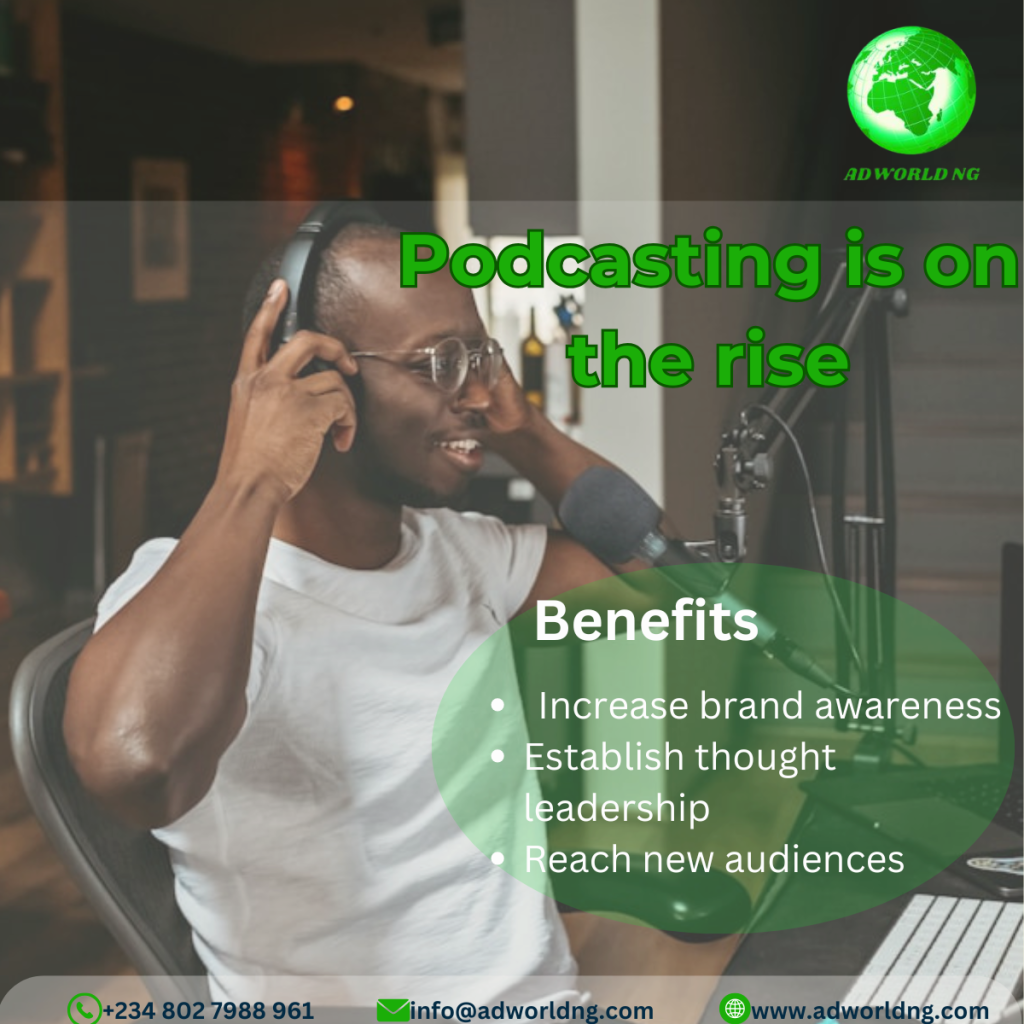
Podcasting has exploded in popularity over the last decade, transforming from a niche medium into a powerful platform for storytelling, education, and personal branding. Whether you’re an entrepreneur, hobbyist, or content creator, launching a podcast can amplify your voice and help you build a loyal audience. But how do you stand out in a sea of over 5 million podcasts? In our latest blog, we’ll share tips and best practices to help you create a successful podcast — from planning to promotion.
1. Define Your Purpose and Target Audience
Start With Why
Ask yourself:
- Why do I want to start a podcast?
- What value will my content provide?
- Who is my ideal listener?
Having a clear purpose helps you stay focused and consistent. Whether it’s to entertain, educate, inspire, or promote a business, your “why” will guide every decision you make.
Know Your Audience
The more specific your target audience, the better. Create a listener persona: their age, profession, interests, pain points, and listening habits. Tailoring your content to their needs builds loyalty and trust.
2. Choose a Compelling Format and Structure
Podcast Formats🎙️
Pick a format that suits your goals and style:
- Interview: You host and bring on guests (e.g., The Tim Ferriss Show)
- Solo: You speak directly to the audience (great for thought leaders)
- Co-hosted: A conversation between two or more regular hosts
- Narrative/Storytelling: Highly produced, like documentaries or fiction
- Panel: Group discussions, often on specific topics
Structure Matters
Each episode should have:
- An attention-grabbing intro
- Clear segments or topic flow
- A call to action (subscribe, leave a review, follow, etc.)
- A strong outro
Consistency in format helps listeners know what to expect and keeps them coming back.
3. Invest in the Right Equipment and Software
🎧 Basic Podcasting Gear
You don’t need a full-blown studio, but quality audio is essential. Start with:
- Microphone: USB mics like the Blue Yeti, or XLR mics like the Shure SM7B
- Headphones: Closed-back headphones to avoid audio bleed
- Pop Filter: To reduce harsh “p” and “s” sounds
- Audio Interface (if using XLR mics)
🛠️ Recording & Editing Software
- Audacity (Free, PC/Mac)
- GarageBand (Mac)
- Adobe Audition, Reaper, or Hindenburg for advanced editing
- Use tools like Riverside, Zencastr, or SquadCast for remote interviews
Good editing can make the difference between amateur and professional.
4. Create a Strong Brand Identity
Think Branding
- Podcast Name: Memorable, searchable, and reflective of your content
- Cover Art: Clean, bold, and readable at small sizes
- Intro/Outro Music: Royalty-free tracks that set the tone
- Show Description: Clear and keyword-optimized
Branding creates a lasting impression and improves discoverability across platforms.
5. Plan and Batch Your Content
📅 Consistency Is Key
Decide on a release schedule — weekly, bi-weekly, monthly — and stick to it. Listeners expect regular content.
📝 Outline Episodes in Advance
Batch recording (pre-recording multiple episodes) gives you a buffer and reduces stress. Create content calendars, brainstorm themes, and prepare questions/scripts ahead of time.
6. Publish and Distribute Smartly
Hosting Platforms
Choose a reliable podcast host like:
- Buzzsprout
- Libsyn
- Podbean
- Anchor/Spotify for Podcasters
These platforms distribute your podcast to directories like Apple Podcasts, Spotify, Google Podcasts, and Amazon Music.

7. Promote and Grow Your Audience
📢 Marketing Tips
- Leverage Social Media: Share audiograms, quote cards, behind-the-scenes clips
- Email Newsletters: Keep your subscribers engaged with updates and episode drops
- Collaborate: Appear on other podcasts or invite guests with their own following
- SEO and Show Notes: Include keywords, links, and episode summaries
Think Long-Term
Podcast growth takes time. Be patient, track your analytics, and evolve based on listener feedback.
8. Engage With Your Audience
🤝 Build a Community
- Encourage reviews and feedback
- Respond to listener questions or comments on-air
- Create private groups (e.g., Discord, Facebook) or community forums
- Ask for topic suggestions or guest recommendations
A loyal community will help amplify your podcast through word-of-mouth.
Frequently Asked Questions
1. How long should each podcast episode be?
There’s no one-size-fits-all answer. Aim for content-rich episodes without filler. Most podcasts range from 20 to 60 minutes, depending on the topic and format.
2. Do I need a website for my podcast?
While not required, a website enhances your brand. It can serve as a hub for show notes, resources, guest bios, email capture, and merchandise.
3. Can I monetize my podcast?
Yes! Common monetization options include:
- Sponsorships and ads
- Listener donations (e.g., Patreon, Buy Me a Coffee)
- Selling products, services, or courses
- Affiliate marketing
4. What are common mistakes to avoid?
- Poor audio quality
- Inconsistent publishing schedule
- Overly long intros
- Neglecting to promote your episodes
- Not engaging with your audience
In Summary
Starting a podcast is exciting, but success requires strategy, consistency, and a genuine desire to connect with your audience. From planning and production to promotion and engagement, following these best practices will set you up for long-term success. Remember, your unique voice matters — so start recording and share your story with the world.