
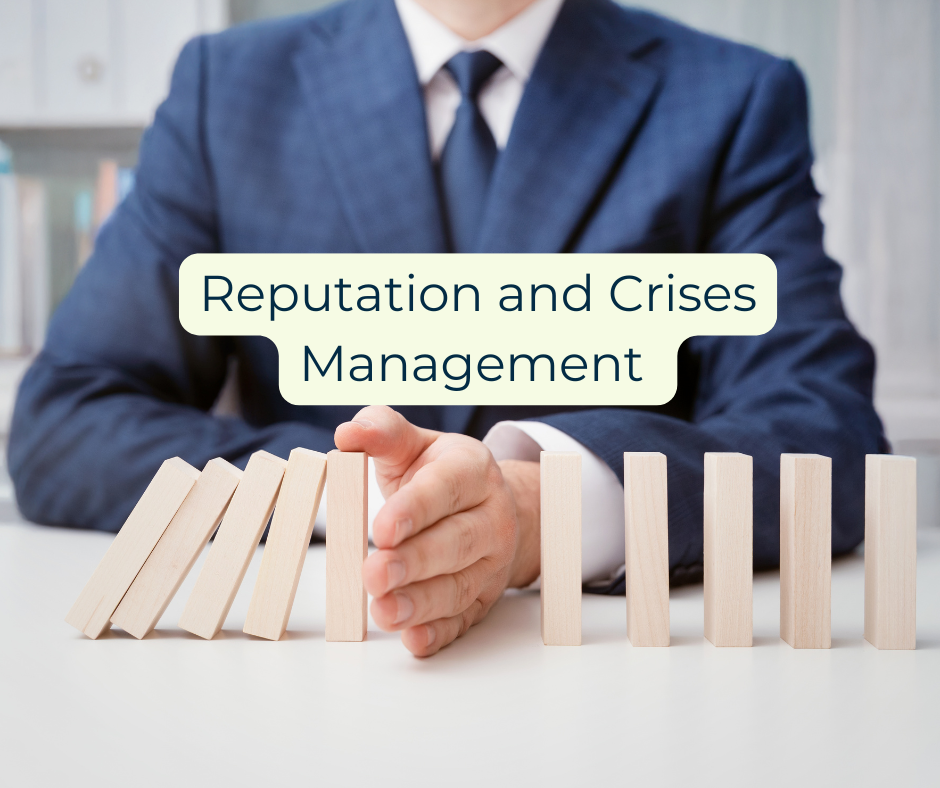
Crisis & Reputation Management
In the digital age, reputations can rise and fall in moments. A single negative post, viral complaint, or misinterpreted message can suddenly thrust a brand into the spotlight for all the wrong reasons. For businesses operating online, reputation is one of the most valuable — and most fragile — assets a brand has. Protecting it requires proactive monitoring, disciplined communication frameworks, and the ability to respond swiftly and strategically when challenges arise.
This article explores why digital reputation crises occur, how to detect them early, and the frameworks brands should use to respond effectively when their reputation is on the line.
What Is a Digital Reputation Crisis?
A digital reputation crisis occurs when online conversations — on platforms like social media, blogs, review sites, or news outlets — begin to negatively affect public perception of your brand. This could take the form of widespread complaints, misinformation spreading rapidly, negative reviews dominating search results, or viral content that paints your company in a bad light. Left unaddressed, these crises can damage trust, erode credibility, and ultimately impact revenue and growth.
In today’s interconnected world, negative sentiment can spread faster than ever before, especially on social media and public forums. Brands must be prepared to act quickly to contain and manage these crises.

The Importance of Monitoring
One of the most critical components of effective crisis management is continuous monitoring.
Why Monitoring Matters
Without monitoring, issues often go unnoticed until it’s too late — when negative sentiment has already gained momentum. Proactive monitoring lets brands detect early warning signs, such as mentions of your name or keywords related to your products or services that spike unexpectedly.
Tools and Techniques
Brands use a combination of tools to track their reputation online. These include:
- Social listening platforms that track brand mentions across social media and forums
- Mention alerts that notify you when specific keywords are used
- Reputation dashboards that analyse sentiment and trends over time
- Review site monitoring to capture changes in ratings and reviews
Platforms such as Brand24 and others help companies monitor real-time conversations and gauge shifts in sentiment before they escalate.
Regular monitoring ensures that brands have early detection systems in place — giving them time to address issues before they spiral into full-blown crises.
Developing a Crisis Response Framework
Once a reputation threat is detected, having a predefined response framework is essential. This framework ensures faster, clearer, and more coordinated communication during moments of crisis.
Key Elements of a Crisis Response Plan
- Crisis Communication Team
Assign a dedicated team responsible for managing crises. Members should include marketing, public relations, legal, and executive leadership. This ensures messages are accurate, authorised, and consistent. - Pre-Approved Messaging Templates
Create ready-to-use templates for common scenarios, such as negative reviews, service outages, or data breaches. These templates accelerate response time and reduce the risk of conflicting messages. - Clear Escalation Protocols
Define triggers that escalate an issue to a crisis level and outline who needs to be informed at each stage. This prevents confusion and ensures timely escalation. - Communication Channels
Decide which channels will be used for public communication — social media, press releases, email, dedicated crisis pages — and tailor messages accordingly. - Stakeholder Engagement
Have plans for engaging key stakeholders — customers, employees, partners, media outlets — based on the nature of the crisis.
Documenting these elements in a crisis playbook provides clarity, avoids hesitation, and ensures unified communication across all touchpoints.

Response Best Practices
When responding to a reputation crisis, how you communicate matters just as much as what you communicate.
Act Quickly and Transparently
Delays in acknowledging a crisis often make situations worse. Brands should respond quickly with truthful, transparent communication. Acknowledging that an issue exists, expressing concern, and committing to resolutions builds credibility and prevents misinformation from filling the void.
Use Clear and Consistent Messaging
Consistency across all platforms ensures that audiences hear the same narrative no matter where they encounter your brand. Mixed messages cause confusion and further erode trust. Pre-approved key messages can help maintain consistency during high-pressure situations.
Communicate Regular Updates
Ongoing communication is important during extended crises. Regular updates reassure audiences that the situation is being handled and keep the narrative under your control.
Engage with Empathy and Responsibility
Empathy must go hand-in-hand with responsibility. Brands that show understanding of affected stakeholders, apologise where appropriate, and clearly outline corrective measures tend to preserve trust better.
Post-Crisis Actions
Once the immediate threat is contained, the work isn’t over. Effective crisis management includes post-crisis actions that rebuild trust and strengthen resilience.
Analyze What Happened
Conduct a thorough review of the crisis — what triggered it, how it evolved, and how your response performed. This analysis helps refine future response plans and prevents repeat issues.
Improve Monitoring and Systems
Use insights gained during the crisis to enhance monitoring capabilities and refine your alert systems. This ensures even earlier detection in the future.
Rebuild Trust Strategically
Follow-up communication should reassure audiences that corrective actions are taken, improvements are underway, and the brand values its relationships with stakeholders. Engagement post-crisis helps restore confidence and rebuild positive perceptions over time.
A handled crisis, when communicated with sincerity and competence, can even strengthen a brand’s reputation by demonstrating accountability and commitment.
Digital reputation management
A digital reputation crisis can happen to any brand. What determines long-term impact is not whether a crisis occurs, but how it is handled. Brands that monitor proactively, prepare strategically, and communicate transparently will navigate crises with greater control, preserve trust, and emerge stronger in the eyes of their audience.
Handling digital reputation and communication crises effectively starts with monitoring and ends with meaningful, consistent engagement.
Build your resilience. Build your credibility. Build your tribe with Adworld NG.