
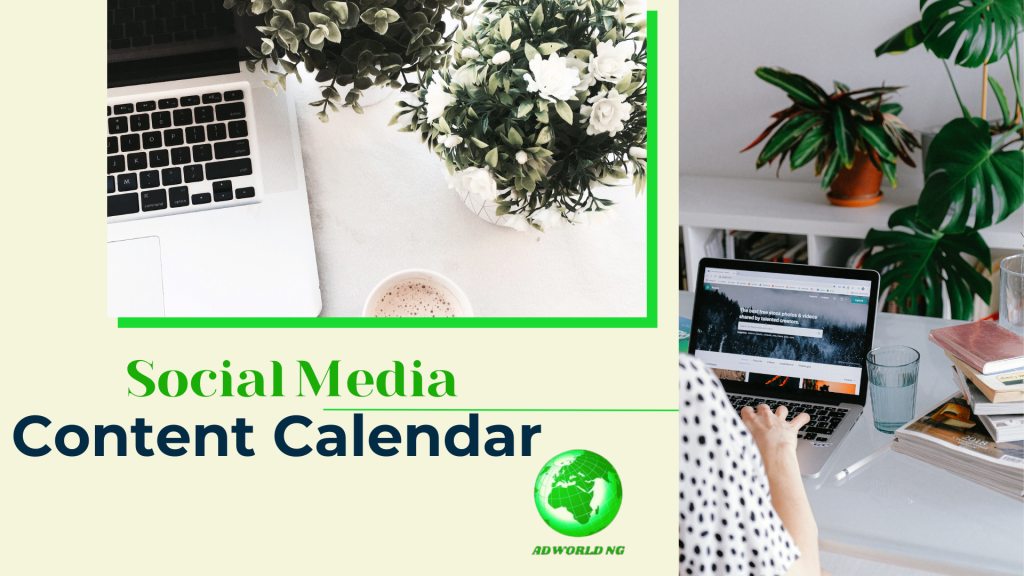
Essence of a Content Calendar
Creating and managing content can be overwhelming, especially when handling multiple platforms, diverse audiences, and varying content types. Without a structured approach, brands and marketers risk inconsistency, missed opportunities, and disorganized campaigns.
A content calendar helps solve these challenges by providing a clear, strategic plan for publishing content. Whether you’re a business, content creator, or social media manager, a content calendar ensures consistency, boosts efficiency, and aligns content with business goals.
In this guide, we’ll walk through how to build a content calendar step by step—from choosing the right tools to planning, organizing, and maintaining your schedule.
What is a Content Calendar?
A content calendar (also known as an editorial calendar) is a schedule that outlines what content will be published, when, and where. It helps marketers plan ahead, coordinate content across different platforms, and ensure a steady flow of high-quality content.
Why is a Content Calendar Important?
- Consistency: Regular posting keeps audiences engaged and strengthens brand identity.
- Efficiency: Saves time by allowing content creation in advance, reducing last-minute stress.
- Strategic Planning: Aligns content with business goals, campaigns, and key events.
- Improved Collaboration: Helps teams stay organized and track responsibilities.
- Performance Tracking: Makes it easier to analyze what works and refine content strategies.
Explore ‘The Foundations of Effective Content Strategy‘
Step-by-Step Guide to Building a Content Calendar
Step 1: Define Your Goals
Before creating a content calendar, identify what you want to achieve. Your goals will shape your content strategy and help measure success. Some common content marketing goals include:
- Increasing brand awareness
- Driving website traffic
- Generating leads or sales
- Growing social media engagement
- Educating or entertaining an audience
Once you’ve set clear goals, your content should align with these objectives.
Step 2: Choose the Right Tools
There are various tools available for creating and managing content calendars. Choose one that best fits your needs:
Basic Tools
- Google Sheets or Excel – Simple and flexible for organizing content schedules.
- Google Calendar – Helps schedule posts and set reminders.
Advanced Content Management Tools
- Trello – Visual boards for content planning and workflow management.
- Asana – Task management tool with calendar features for teams.
- Notion – Highly customizable workspace for organizing content strategies.
- CoSchedule, Buffer, or Hootsuite – Specialized tools for social media scheduling.
Pick a tool that suits your workflow and team collaboration needs.
Step 3: Identify Content Types & Platforms
Your content calendar should cover different types of content across various platforms. Consider the following:
Content Types
- Blog posts (How-to guides, listicles, industry news)
- Social media posts (Images, carousels, reels, tweets)
- Videos (YouTube, TikTok, Instagram Reels)
- Podcasts
- Email newsletters
- Infographics
- E-books & Whitepapers
Related article: The Art of Effective Content Distribution for Maximum Reach and Impact
Platforms
Choose where your content will be published based on your audience. Popular platforms include:
- Website/blog
- Social media (Facebook, Instagram, Twitter, LinkedIn, TikTok)
- YouTube
- Email newsletters
Your calendar should reflect what type of content goes on which platform.

Step 4: Plan Content Themes & Topics
Organizing content around themes makes planning easier and keeps messaging consistent. Some approaches to content themes include:
- Monthly or weekly themes – Example: A fitness brand could focus on “Healthy Eating” in January and “Workout Routines” in February.
- Seasonal or holiday-based content – Example: Black Friday sales promotions or Valentine’s Day-themed content.
- Content pillars – Core topics that define your brand. Example: A digital marketing agency might focus on “SEO,” “Social Media Strategies,” and “Content Marketing.”
Brainstorm content ideas that fit these themes and align with your audience’s interests.
Step 5: Set a Publishing Schedule
Determine how often and when you’ll publish content. Consider factors like audience activity, platform algorithms, and industry trends.
Best Posting Frequencies (General Guidelines):
- Blog posts – 1-4 times per month
- Instagram – 3-5 times per week
- Facebook – 3-5 times per week
- Twitter/X – 1-5 times per day
- LinkedIn – 2-3 times per week
- TikTok & YouTube Shorts – 4-7 times per week
Adjust based on your content capacity and audience engagement.
Step 6: Create & Organize the Calendar
Now that you have content ideas, assign them to specific dates on your calendar. A well-structured content calendar typically includes:
✅ Publishing Date – When content goes live
✅ Platform – Where it will be posted
✅ Content Type – Blog, video, social media, etc.
✅ Topic/Title – What the content is about
✅ Responsible Team Member – Who is in charge of creating/publishing
✅ Status – Draft, scheduled, published
Here’s an example of a simple content calendar format:
| Date | Platform | Content Type | Topic | Status | Assigned To |
|---|---|---|---|---|---|
| Feb 10, 2025 | Carousel Post | “Top 5 Digital Marketing Trends” | Draft | Martins | |
| Feb 12, 2025 | Blog | Article | “How to Improve Your SEO in 2025” | Scheduled | Glory |
| Feb 15, 2025 | Post | “Behind-the-Scenes: Our Creative Process” | Published | Winnie |
Use color coding or categories to improve readability.
Step 7: Monitor & Update Your Calendar
Your content calendar should be a living document that evolves. Regularly check its effectiveness and make adjustments based on:
- Engagement Metrics – Which posts performed best?
- Trends & Industry Changes – Are there new trends to incorporate?
- Team Capacity – Is the workload manageable?
Set aside time weekly or monthly to review and update the calendar.
In Summary
A well-structured content calendar is essential for an effective content strategy. By planning ahead, staying organized, and regularly reviewing performance, you can ensure a consistent and impactful content presence across all platforms.
Key Takeaways:
✅ A content calendar ensures consistency, efficiency, and strategic planning.
✅ Choose tools that fit your needs (Google Sheets, Trello, Notion, etc.).
✅ Plan content based on themes, seasonal trends, and audience interests.
✅ Set a posting schedule that aligns with audience engagement.
✅ Continuously update and refine the calendar based on performance.
Start building your content calendar today, and take control of your content strategy! 🚀
Building a content calendar is just the starting point for creating a robust content marketing strategy. With a well-planned calendar, you’ll be able to consistently deliver high-quality content that resonates with your audience, drives engagement, and ultimately, boosts your brand’s growth and success.
But, creating a comprehensive content strategy that elevates your brand requires expertise, creativity, and a deep understanding of your target audience.
That’s where we come in!
At Adworld NG, our team of expert content strategists, creators, and marketers are dedicated to helping businesses and brands like yours succeed in the ever-evolving digital landscape.
Whether you’re looking to increase brand awareness, drive website traffic, lead generation, or boost sales, we’ll work closely with you to develop a customized content strategy that meets your unique goals and objectives.
Don’t let your content marketing efforts fall flat. Contact us today to discover how our expert team can help you:
- Develop a solid content strategy that drives real results
- Create high-quality, engaging content that resonates with your audience
- Amplify your brand’s message and reach new heights of success
Get in touch with us now and let’s elevate your brand to new heights.🚀
-
Why Strategic Partnerships Multiply Growth

In an era where attention and resources are scarce, smart businesses are no longer going it alone. Strategic partnerships — from co-marketing alliances to influencer collaborations — provide a multiplier effect that amplifies reach, cuts costs, and fuels sustainable growth. This article breaks down how and why these partnerships work, the benefits they unlock, and…
-
Handling Digital Reputation and Communication Crises the Right Way
Discover how brands can manage digital reputation crises with early detection systems, crisis communication plans, and effective response protocols to safeguard trust and credibility online.
-
Why Community Engagement Matters Online

Building a strong online community engagement is about fostering trust, encouraging loyalty, and transforming one-time customers into lifelong advocates. Engagement transforms passive audiences into active participants — and those participants become your brand’s advocate
-
Why Strategic Partnerships Multiply Growth
In an era where attention and resources are scarce, smart businesses are no longer going it alone. Strategic partnerships — from co-marketing alliances to influencer collaborations — provide a multiplier effect that amplifies reach, cuts costs, and fuels sustainable growth. This article breaks down how and why these partnerships work, the benefits they unlock, and…
-
Handling Digital Reputation and Communication Crises the Right Way
Discover how brands can manage digital reputation crises with early detection systems, crisis communication plans, and effective response protocols to safeguard trust and credibility online.
-
Why Community Engagement Matters Online
Building a strong online community engagement is about fostering trust, encouraging loyalty, and transforming one-time customers into lifelong advocates. Engagement transforms passive audiences into active participants — and those participants become your brand’s advocate
Grid

Why Strategic Partnerships Multiply Growth
Handling Digital Reputation and Communication Crises the Right Way

Why Community Engagement Matters Online

Branding vs. Performance Marketing
Local Digital Marketing in Nigeria: Strategies That Truly Work for Nigerian Audiences
Why Audience Targeting Is the Heart of Effective Marketing
Grid
Why Strategic Partnerships Multiply Growth
Handling Digital Reputation and Communication Crises the Right Way
Why Community Engagement Matters Online
Branding vs. Performance Marketing
Local Digital Marketing in Nigeria: Strategies That Truly Work for Nigerian Audiences
Why Audience Targeting Is the Heart of Effective Marketing
Grid
Why Strategic Partnerships Multiply Growth
Handling Digital Reputation and Communication Crises the Right Way
Why Community Engagement Matters Online
Branding vs. Performance Marketing
Local Digital Marketing in Nigeria: Strategies That Truly Work for Nigerian Audiences